Introduction
When it concerns landscaping and building and construction, one of the most important https://messiahinstallertwjo433.huicopper.com/leading-considerations-when-preparation-a-large-scale-retaining-wall-project-in-melbourne factors to think about is the kind of soil on your residential or commercial property. Understanding soil types with your retaining wall installer's help can make a significant difference in guaranteeing the stability and longevity of your retaining wall. Keeping walls serve not only as visual improvements but likewise play a crucial function in managing soil erosion and offering assistance in sloped areas. This guide will delve deep into the intricacies of soil types, their qualities, and how they engage with different materials like timber sleepers, concrete sleepers, and H beams
Understanding Soil Types with Your Retaining Wall Installer's Help
What Are Soil Types?
Soil types are categorized based on their physical and chemical properties. They can be broadly categorized into sandy, clayey, silty, fertile, and peaty soils. Each type has its own unique characteristics that impact drain, compaction, and general stability.
Why Is Soil Type Crucial for Retaining Walls?
The kind of soil directly impacts the style and installation of retaining walls:
- Drainage: Some soils retain water while others permit it to drain pipes quickly. Weight: Different soil types have varying weights that can exert pressures on the retaining wall. Erosion: The susceptibility to erosion varies with each soil type.
Common Soil Types Explained
Sandy Soil
Sandy soil consists of large particles that produce large spaces between them. It drains pipes quickly but might not hold nutrients well.
Pros:
- Excellent drainage Easy to work with
Cons:
- Low nutrient retention Susceptible to erosion
Clayey Soil
Clayey soil consists of extremely great particles that are firmly packed together. It keeps water but drains poorly.
Pros:
- High nutrient retention Good for specific plant growth
Cons:
- Poor drainage Can broaden or shrink dramatically with wetness changes
Silty Soil
Silty soil is comprised of medium-sized particles that are smooth to the touch. It holds moisture better than sandy soil but drains poorly.
Pros:
- Good nutrient retention Holds moisture well
Cons:
- Compacts easily Susceptible to erosion when wet
Loamy Soil
Loamy soil is a mix of sand, silt, and clay. It is often considered the ideal garden soil due to its balance of drain and nutrient retention.
Pros:
- Excellent drain Nutrient-rich
Cons:
- Can be pricey if acquired
Peaty Soil
Peaty soil includes a lot of organic matter, making it dark in color. It's usually discovered in damp areas.
Pros:
- Rich in nutrients Great for particular plants
Cons:
- Poor drainage Can be acidic
Choosing the Right Material for Your Maintaining Wall
Timber Sleepers vs. Concrete Sleepers
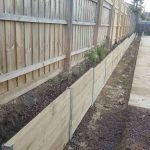
When structure a retaining wall, you have a couple of material alternatives - timber sleepers or concrete sleepers Each has its advantages depending on your specific needs.
Timber Sleepers
Timber sleepers use a natural look that mixes well with gardens.
Advantages:
Aesthetic appeal. Easier to manage during installation. Cost-effective option.Disadvantages:
Prone to rot over time. May require more maintenance.Concrete Sleepers
Concrete sleepers offer resilience and strength for bigger walls or walls built on unstable soil conditions.
Advantages:
Long-lasting. Requires less maintenance. Suitable for various designs.Disadvantages:
More pricey than timber. Heavier, requiring more labor throughout installation.H Beams as Structural Support
For vertical loads or additional structural support in your retaining wall system, utilizing H beams can be beneficial.
Benefits of H Beams:
Provide additional strength versus lateral earth pressure. Ideal for steep slopes where additional support is necessary. Versatile usage in combination with both timber or concrete systems.Soil Analysis Before Installation
Why Conduct a Soil Test?
Conducting a soil test before installing your retaining wall is essential due to the fact that it assists determine:
Soil composition (sand, silt, clay). pH levels impacting plant growth. Drainage abilities which affect wall design.How to Conduct a Soil Test?
You can either hire experts or do it yourself:
Collect samples from several areas at various depths. Use an at-home package or send out samples to a laboratory for in-depth analysis. Review results carefully; consult your installer for analysis related to building and construction plans.The Role of Your Retaining Wall Installer
Choosing a Professional Installer
Hiring a professional installer makes sure that all elements-- from soil testing to wall building and construction-- are managed expertly.
What Makes an Installer 'Professional'?
Experience in different types of installations (timber sleeper vs concrete sleeper). Knowledgeable about regional policies and developing codes. Strong portfolio showcasing previous projects.Questions to Ask Your Installer
Before devoting:
What is your experience with various soil types? Can you provide references? What products do you recommend based on my specific situation?Design Considerations Based upon Soil Type
Factors Affecting Design Choices
When designing your retaining wall, think about these factors based on your particular soil type:
1. Height & & Load Bearing Capacity
Taller walls need stronger products like concrete sleepers or H beams for structural integrity in clayey soils vulnerable to expansion under moisture changes.
2. Drain Solutions
Adding perforated pipes behind the wall can help manage water pooling behind walls constructed on sandy soils where fast drain is possible but requires careful planning around stability problems related to heavy rains affecting loamy soils too!
Construction Process Overview
Steps Involved in Building a Keeping Wall
Building any type of retaining wall includes several actions:
1. Initial Consultation
Go over goals & & concerns regarding landscape features needing support along with preferred styles/materials such as timber/concrete options readily available within budget constraints!
2. Website Preparation
Clear location & & make sure proper grading towards drainage outlets; mark out boundaries properly before digging starts!
3. Foundation Laying
A strong structure supports lasting efficiency-- particularly essential when utilizing heavier products like H beams!
4. Wall Construction
Install chosen product (timber/concrete) according to create specifications; include necessary supports if needed!
5. Final Touches
Add any finishing touches preferred-- like caps atop concrete walls! Don't forget landscaping around base either!
FAQs about Maintaining Walls and Soil Types
Q1: How do I know what type of soil I have?
A1: A professional service can conduct a comprehensive analysis; alternatively, DIY sets are offered online for fundamental testing!
Q2: Can I install my own maintaining wall?
A2: While possible if experienced enough-- working with specialists frequently saves headaches later down road by guaranteeing whatever meets regional codes!
Q3: For how long will my retaining wall last?
A3: Depends greatly on materials utilized; timber may last 10-- 20 years while concrete might last over 50 years if appropriately maintained!
Q4: What takes place if my wall collapses?
A4: Regular examinations help determine early warning signs before collapse occurs; consult engineers immediately upon noticing any shifts/sinking!
Q5: Is plant life handy near keeping walls?
A5: Yes! Particular plants can support surrounding earth while likewise enhancing aesthetics however should choose wisely based upon root depth & & spreading out tendencies!
Q6: Do I need permits before building?
A6: Frequently yes-- but check regional regulations initially given that requirements vary extensively throughout municipalities concerning height/location limitations and so on!
Conclusion
In summary, understanding numerous elements associated specifically towards "Comprehending Soil Types With Your Retaining Wall Installer's Help" plays an essential role when embarking upon this journey! From knowing how different products perform versus unique ground conditions through analyzing underlying earth composition prior engaging experts-- each element contributes towards accomplishing successful outcomes! Eventually investing time upfront settles down road yielding visually pleasing yet structurally sound solutions customized precisely according respective website obstacles encountered throughout procedure ahead!